
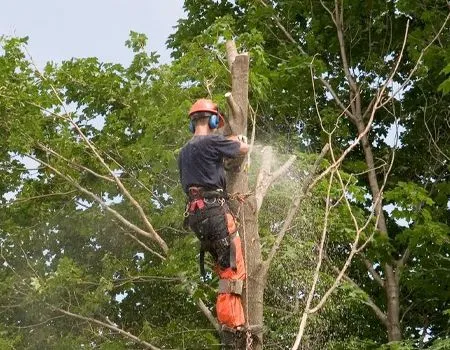
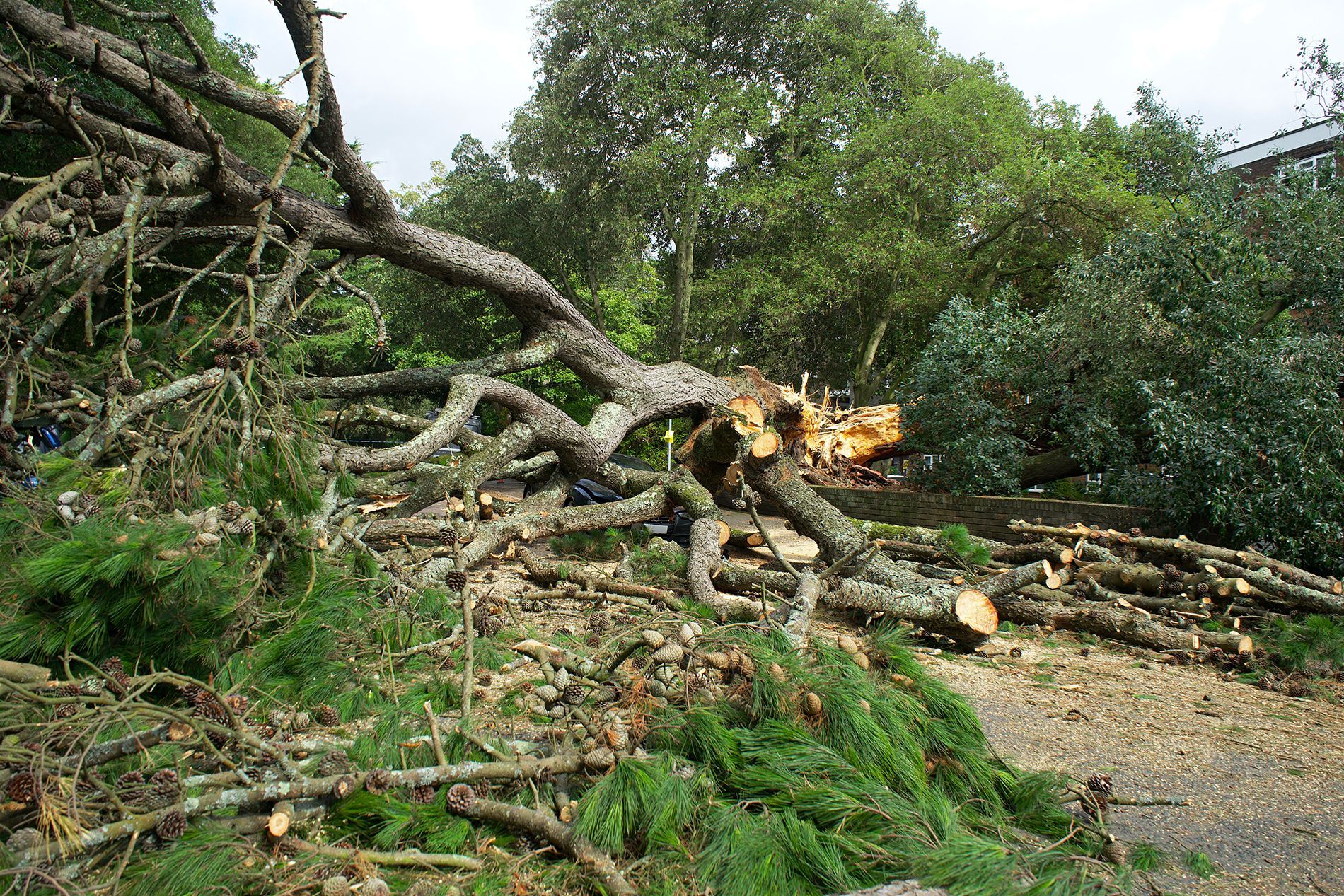
Big trees can become extremely dangerous when their structural integrity is compromised. Dead, diseased, damaged, and unstable trees may eventually lose large branches or fall unexpectedly, creating serious risks for people, vehicles, homes, and other property. Recognizing the warning signs of a hazardous tree can help you take action before a dangerous situation develops. At Guy Jones, Inc, we provide expert hazardous tree identification and removal in the greater Dallas, OR area. Here are four signs that a tree may be at high risk of crashing down. A Significant or Sudden Lean A tree that has developed a noticeable lean, particularly if the lean is new or getting worse, may have underlying stability problems. Root damage, soil erosion, storm damage, and structural weakness can cause a tree to become unstable. A leaning tree is especially concerning when it is positioned toward a home, driveway, sidewalk, or other frequently used area. Have a professional evaluate any tree with a significant or changing lean. Large Cracks in the Trunk Deep cracks in a tree's trunk can indicate serious structural weakness. Large vertical cracks may develop following severe weather, heavy branch growth, or internal deterioration. If the trunk appears to be separating or has a significant cavity, the tree may be more vulnerable to breaking. Because trunk damage can worsen over time, professional assessment is recommended. Damaged or Decaying Roots A healthy root system helps anchor a tree securely in the ground. Excavation, soil erosion, disease, flooding, and other conditions can damage roots and reduce stability. Look for exposed, broken, or decaying roots around the tree's base. Fungal growth near the trunk can also indicate decay, although determining the extent of root problems often requires professional evaluation. Extensive Trunk Decay A tree can sometimes develop significant internal decay without showing obvious problems from a distance. Large cavities, soft or crumbling wood, loose bark, fungal growth, and hollow-sounding areas may indicate deterioration. As decay progresses, the tree's structural strength can decline. A professional tree care specialist can assess visible signs of decay and determine whether the tree presents a serious risk. Tree Removal in Dallas, OR For expert tree removal in Dallas, OR and the surrounding area, contact Guy Jones, Inc at 503-862-7221 . We provide residential and commercial tree services in greater Dallas, OR . Feel free to give us a call to ask for a local tree services estimate !
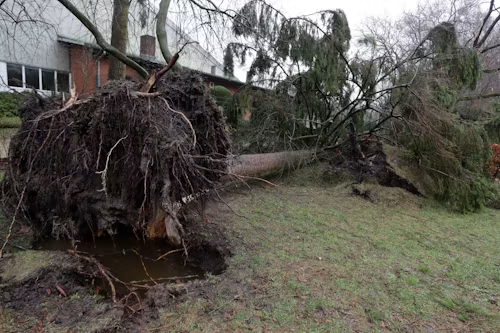
A dead or dying tree can quickly become a serious safety concern if it begins losing branches or becomes unstable. Recognizing the warning signs early allows you to have the tree professionally evaluated and determine whether it can be treated or needs to be removed. At Guy Jones, Inc, we provide expert hazardous tree identification and removal in the greater Dallas, OR area. Here are four signs that a tree may be dead or dying and should be inspected for possible removal. Extensive Dead Branches Throughout the Tree Dead branches are one of the clearest indications that a tree may be struggling. While a few small dead limbs are common, a large number of dead branches throughout the canopy can signal serious decline. These weakened limbs can become brittle and may fall, especially during windy conditions. If a tree is regularly dropping branches or has large sections without healthy growth, it should be evaluated by a tree care professional. Cracks, Cavities, or Decay in the Trunk The trunk provides the structural support a tree needs to remain standing. Visible cracks, hollow areas, soft spots, missing bark, or other signs of decay can indicate that the tree’s internal structure is weakening. Even if a tree still has green leaves, internal damage can make it unsafe. A professional arborist can inspect the trunk to determine the extent of the damage and whether removal is recommended. Evidence of Insects or Tree Disease Pests and diseases can quickly weaken a tree and compromise its ability to survive. Signs of trouble may include fungal growth, unusual spots on leaves, insect holes, sawdust-like material around the trunk, or dying branches. Some infestations and diseases can spread to nearby trees, making professional evaluation important. Early action can help protect the rest of your landscape. Leaning/Root Damage A leaning tree or one with damaged roots can become a major hazard. Roots provide the stability needed to keep a tree upright, and problems caused by erosion, construction, soil changes, or decay can increase the risk of falling. If a tree is leaning toward your home, driveway, or other structures, it should be inspected as soon as possible. Tree Removal in Dallas, OR For expert tree removal in Dallas, OR and the surrounding area, contact Guy Jones, Inc at 503-862-7221 . We provide residential and commercial tree services in greater Dallas, OR. Feel free to give us a call to request a local tree services estimate !
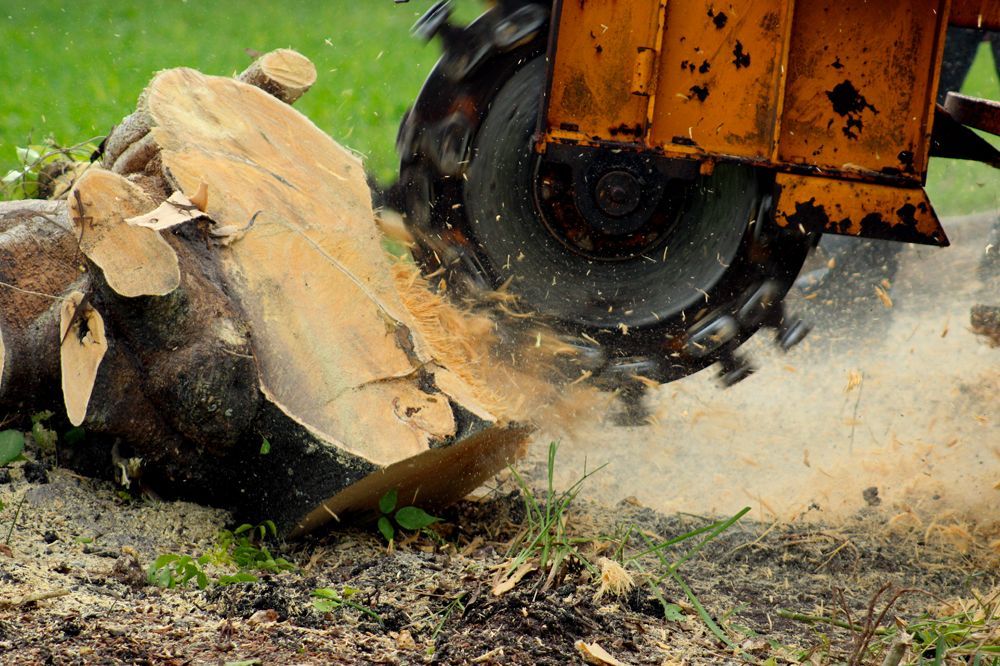
Get answers to your stump grinding & removal questions. Contact us for expert help in enhancing your landscape safely.
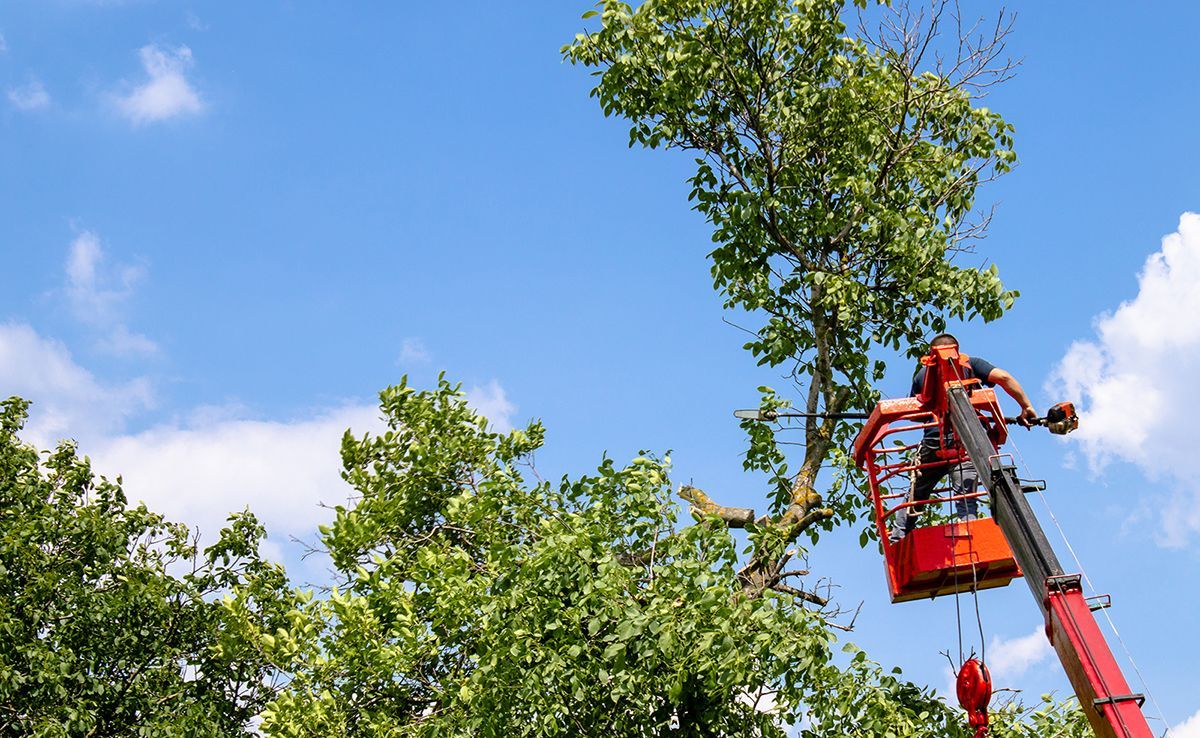
Hire an experienced arborist for safe, effective tree pruning. Enhance your landscape with expert care from Guy Jones, Inc.
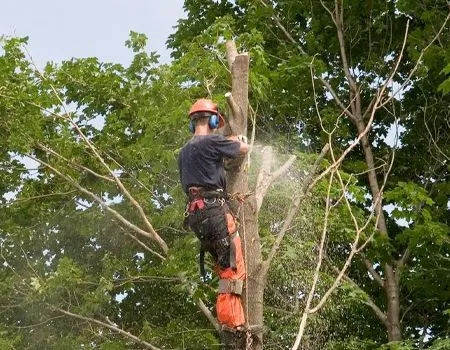
Get expert tree removal & stump grinding services. Ensure safety & health for your property. Contact us for a free estimate!
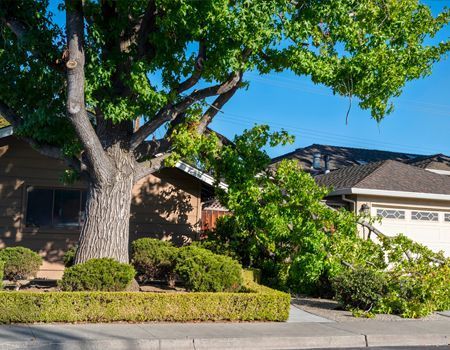
Learn 4 signs your tree may be a safety risk. Contact Guy Jones, Inc for expert tree removal and care services.
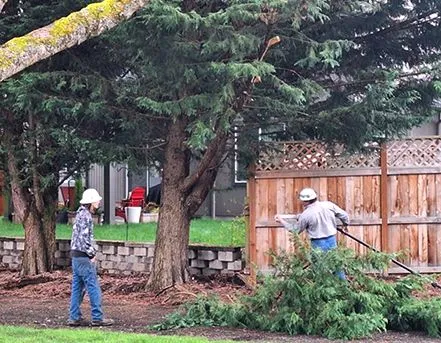
Get expert tree pruning to enhance health & safety. Contact Guy Jones, Inc for professional care and free estimates!
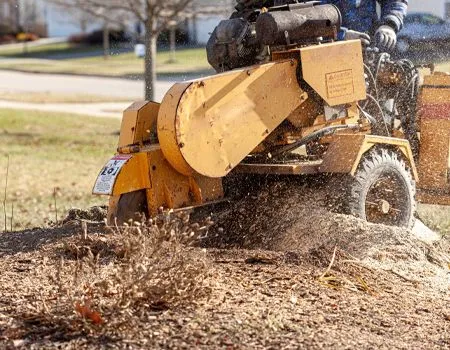
Learn how removing tree stumps enhances safety, aesthetics, and space. Contact Guy Jones, Inc. for expert stump grinding services!
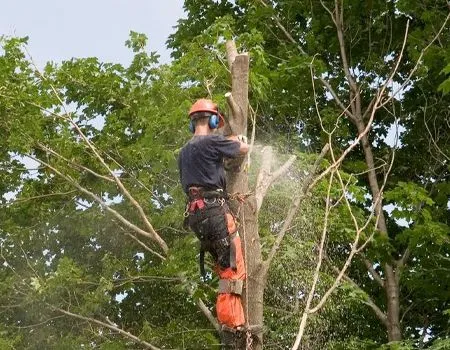
Get tips for choosing the right tree services company. Contact us for expert tree removal, stump grinding, & more!
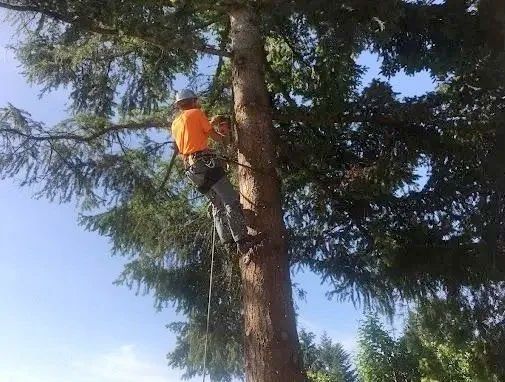
Deciding between tree removal or trimming? Get expert advice from Guy Jones, Inc. for safe tree care solutions. Contact us today!