
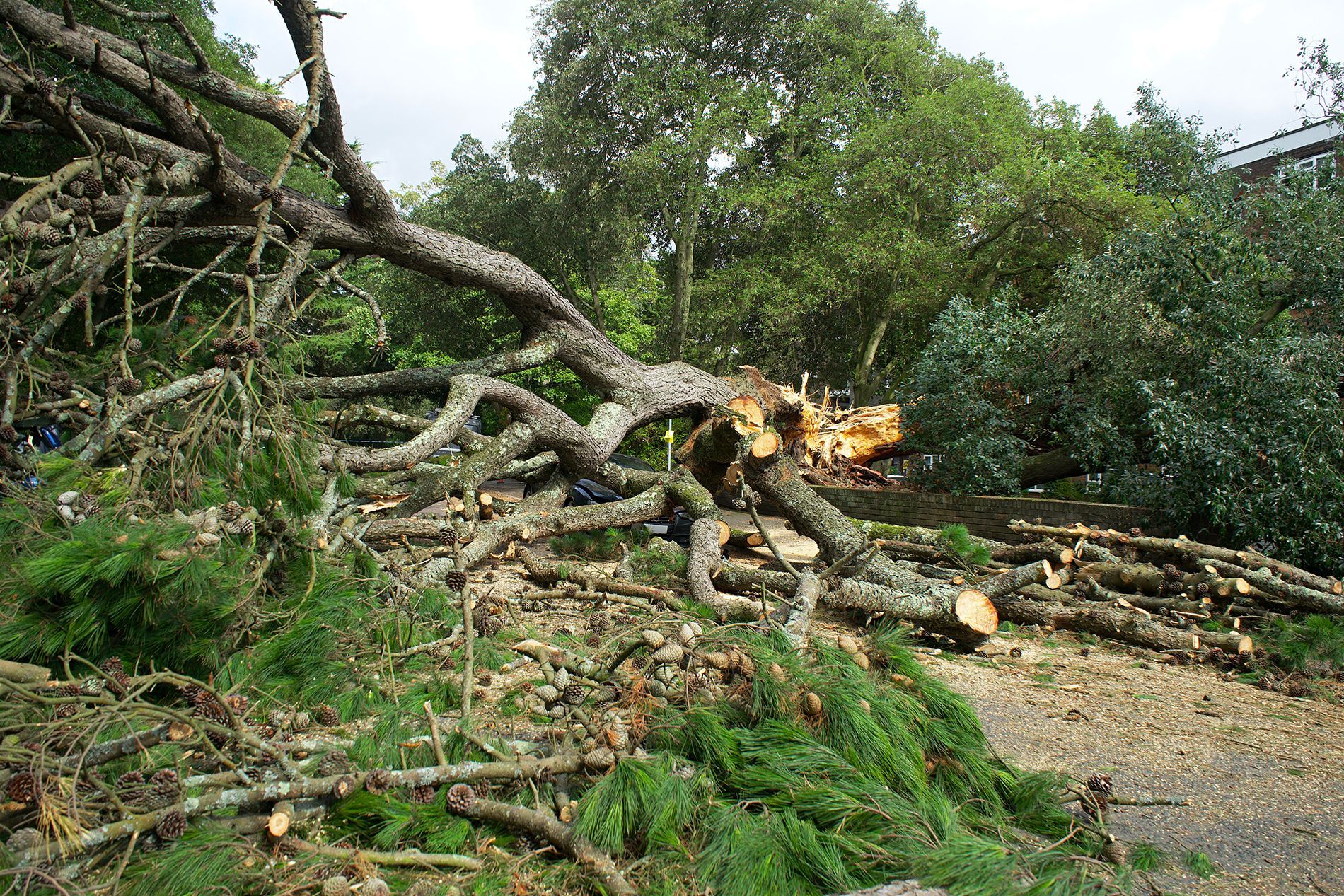
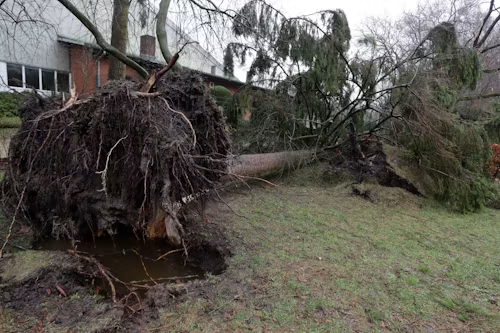
A dead or dying tree can quickly become a serious safety concern if it begins losing branches or becomes unstable. Recognizing the warning signs early allows you to have the tree professionally evaluated and determine whether it can be treated or needs to be removed. At Guy Jones, Inc, we provide expert hazardous tree identification and removal in the greater Dallas, OR area. Here are four signs that a tree may be dead or dying and should be inspected for possible removal. Extensive Dead Branches Throughout the Tree Dead branches are one of the clearest indications that a tree may be struggling. While a few small dead limbs are common, a large number of dead branches throughout the canopy can signal serious decline. These weakened limbs can become brittle and may fall, especially during windy conditions. If a tree is regularly dropping branches or has large sections without healthy growth, it should be evaluated by a tree care professional. Cracks, Cavities, or Decay in the Trunk The trunk provides the structural support a tree needs to remain standing. Visible cracks, hollow areas, soft spots, missing bark, or other signs of decay can indicate that the tree’s internal structure is weakening. Even if a tree still has green leaves, internal damage can make it unsafe. A professional arborist can inspect the trunk to determine the extent of the damage and whether removal is recommended. Evidence of Insects or Tree Disease Pests and diseases can quickly weaken a tree and compromise its ability to survive. Signs of trouble may include fungal growth, unusual spots on leaves, insect holes, sawdust-like material around the trunk, or dying branches. Some infestations and diseases can spread to nearby trees, making professional evaluation important. Early action can help protect the rest of your landscape. Leaning/Root Damage A leaning tree or one with damaged roots can become a major hazard. Roots provide the stability needed to keep a tree upright, and problems caused by erosion, construction, soil changes, or decay can increase the risk of falling. If a tree is leaning toward your home, driveway, or other structures, it should be inspected as soon as possible. Tree Removal in Dallas, OR For expert tree removal in Dallas, OR and the surrounding area, contact Guy Jones, Inc at 503-862-7221 . We provide residential and commercial tree services in greater Dallas, OR. Feel free to give us a call to request a local tree services estimate !
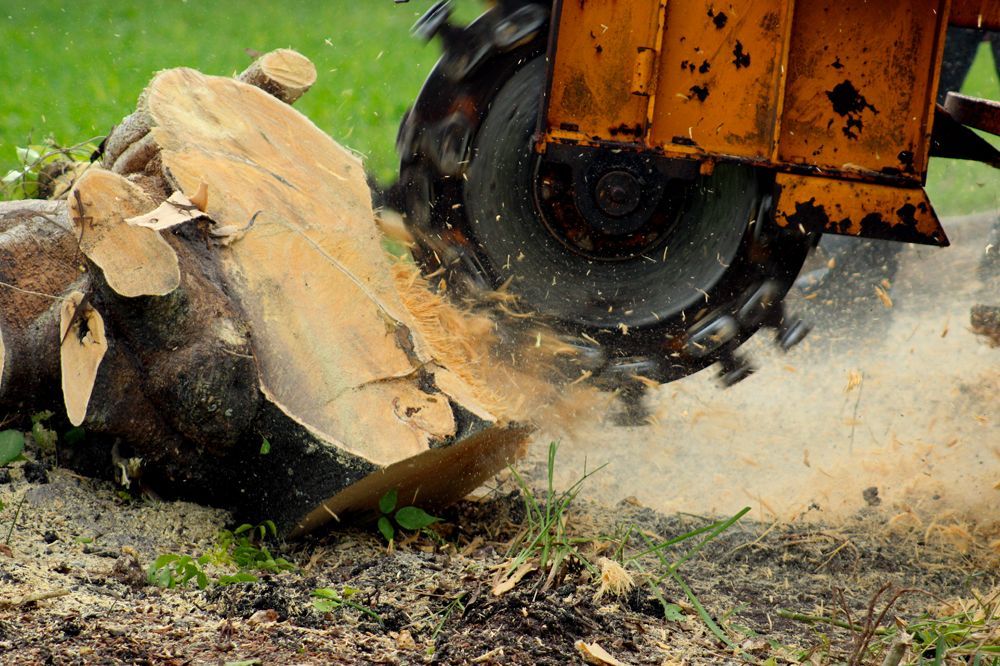
After a tree has been removed, many property owners are left wondering what to do with the remaining stump. While it may seem harmless, a tree stump can create several issues ranging from safety concerns to pest problems and landscaping challenges. Stump grinding and removal are popular solutions, but many homeowners have questions about the process before moving forward. At Guy Jones, Inc, we’re happy to answer your questions about stump grinding and removal in the greater Dallas, OR area. What’s the Difference Between Stump Grinding and Stump Removal? Stump grinding involves using specialized machinery to grind the stump down below ground level, leaving most of the root system underground. Stump removal is a more extensive process that extracts the entire stump and major roots from the ground. Grinding is often less disruptive to the landscape, while full removal may be necessary for construction or major landscaping projects. Why Should I Get Rid of a Tree Stump? Leaving a stump behind can create several problems. Stumps can become tripping hazards, interfere with lawn maintenance, attract insects, and detract from the appearance of your property. In some cases, decaying stumps may also encourage fungal growth. Removing the stump helps create a safer and more attractive landscape. Can I Plant Grass or Landscaping After the Stump Is Gone? Yes. Once the stump has been ground below grade or removed, the area can typically be restored and replanted. Homeowners often choose to plant grass,shrubs, or even install new hardscaping features in the cleared space. Additional soil may be added to help create a level surface. Why Should I Hire a Professional? Stump grinding and removal require specialized equipment and experience. Professional tree service companies have the tools needed to safely and efficiently eliminate stumps while preventing damage to surrounding landscaping. They can also identify nearby utilities and properly assess any potential hazards. Where Can I Find Stump Grinding and Removal in Dallas, OR? For expert stump grinding and removal in Dallas, OR and the surrounding area, contact Guy Jones, Inc at 503-862-7221 . Feel free to give us a call to ask for a tree services estimate in greater Dallas, OR !
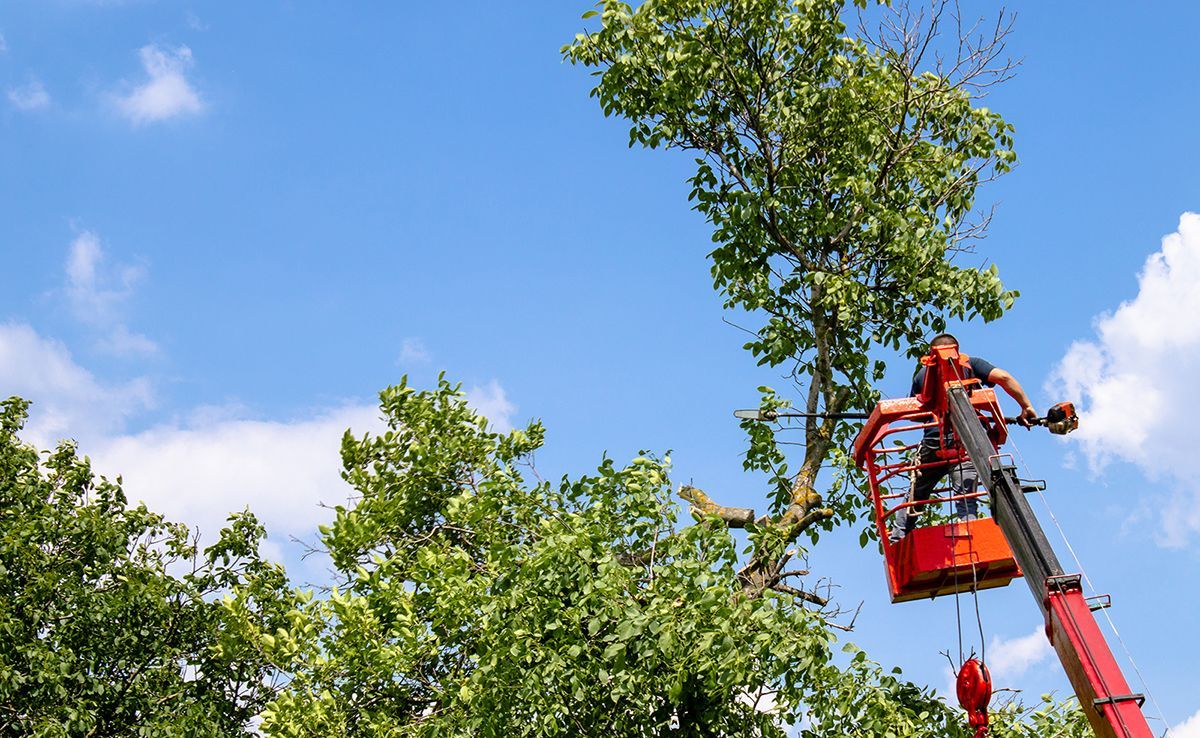
Hire an experienced arborist for safe, effective tree pruning. Enhance your landscape with expert care from Guy Jones, Inc.
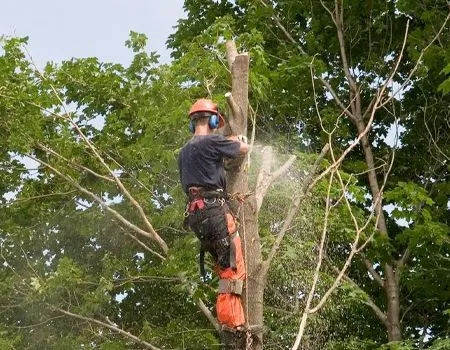
Get expert tree removal & stump grinding services. Ensure safety & health for your property. Contact us for a free estimate!
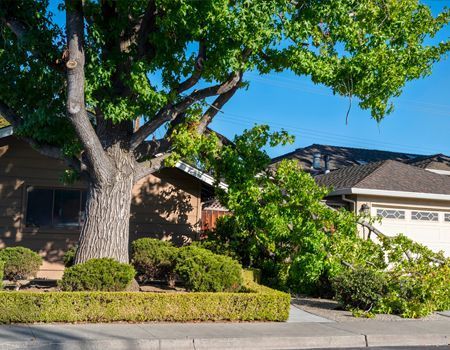
Learn 4 signs your tree may be a safety risk. Contact Guy Jones, Inc for expert tree removal and care services.
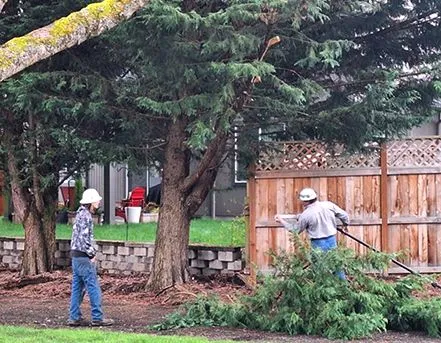
Get expert tree pruning to enhance health & safety. Contact Guy Jones, Inc for professional care and free estimates!
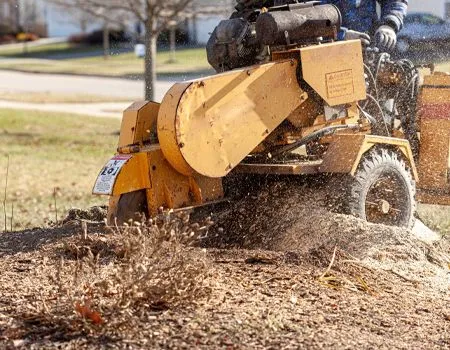
Learn how removing tree stumps enhances safety, aesthetics, and space. Contact Guy Jones, Inc. for expert stump grinding services!
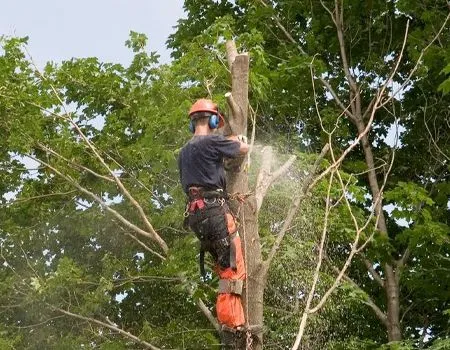
Get tips for choosing the right tree services company. Contact us for expert tree removal, stump grinding, & more!
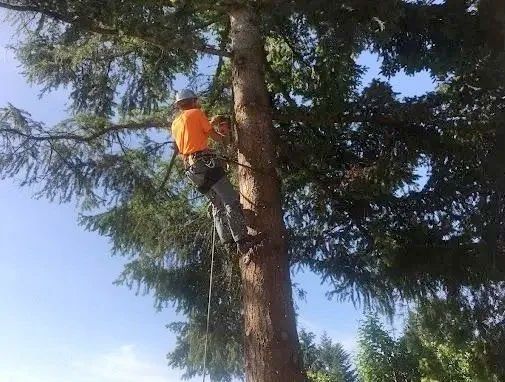
Deciding between tree removal or trimming? Get expert advice from Guy Jones, Inc. for safe tree care solutions. Contact us today!